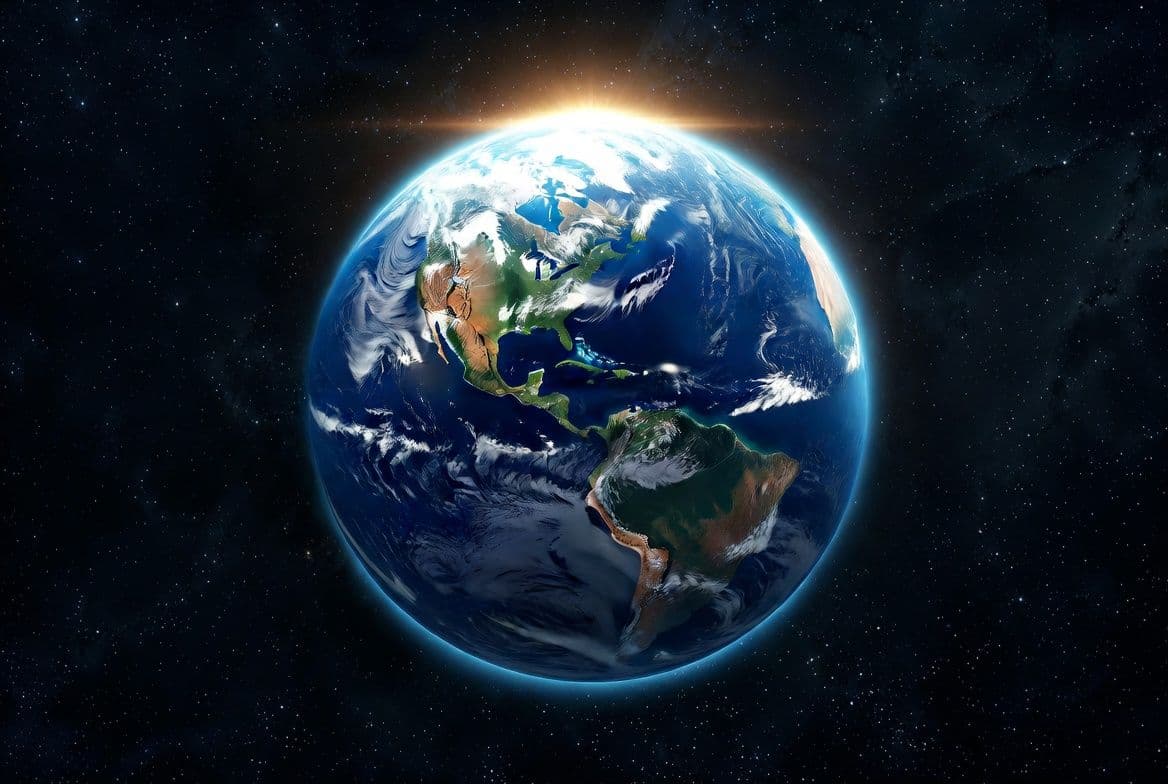
Countries near the tropics and equator receive significantly higher solar irradiance than Northern Europe and parts of North America. This allows solar projects in regions such as South Africa and Southeast Asia to generate substantially more electricity per solar panel, especially during winter months when Europe experiences lower sunlight and higher energy demand.
Not all solar energy is created equally. One of the biggest factors affecting solar power generation is geography.
Solar irradiance is the amount of sunlight energy reaching the Earth’s surface. Higher irradiance levels allow solar panels to generate more electricity, making certain regions far more efficient for utility-scale solar farms and renewable energy infrastructure.
The difference is substantial. In many tropical regions, utility-scale solar projects can produce nearly double the yearly electricity output compared with systems installed in Northern Europe.
A solar system in South Africa can often generate significantly more annual electricity than a comparable system installed in countries such as Ireland, the UK, or Germany due to stronger and more consistent sunlight conditions.
Europe’s Winter Renewable Energy Challenge
One of the biggest renewable energy challenges facing Europe is that electricity demand is often highest during the colder winter months, when heating systems, lighting, and household energy consumption increase significantly.
Unfortunately, this is also the time when solar energy production in Northern Europe is at its weakest.
Countries such as Ireland, the UK, Germany, and the Netherlands experience:
- shorter daylight hours
- low winter sun angles
- frequent cloud cover
- long periods of weak solar generation
This creates a major challenge for the renewable energy transition. Even with large amounts of rooftop solar installed, many Northern European countries still struggle to generate enough clean electricity during winter when power is needed most.
Meanwhile, countries closer to the tropics and equator continue receiving strong and stable sunlight throughout the year.
Related Reading
Why International Solar Projects Matter
As Europe and North America continue expanding renewable energy, geography creates a natural limitation. Even with advanced solar technology, lower irradiance regions cannot generate electricity as efficiently as high-sunlight countries.
This is why international solar projects and utility-scale solar farms are becoming increasingly important.
Countries such as South Africa and parts of Southeast Asia have some of the world’s best solar conditions. Large solar farms in these regions can generate significantly higher yearly output, making renewable energy more efficient, scalable, and cost effective.
Traditionally, benefiting from solar energy required owning a suitable roof in a sunny location. But international solar projects are beginning to change that model.
At Sunbucks.com, we believe renewable energy should not only help accelerate global solar rollout, but also give more people the opportunity to benefit financially from the growth of clean energy infrastructure.
By supporting solar projects in high-irradiance regions where renewable energy can perform most efficiently, more solar power can be added to the global grid while helping expand clean electricity access in countries that need it most.
At the same time, rising electricity costs continue placing pressure on households across developed countries. Additional income opportunities connected to renewable energy could become increasingly valuable as energy prices continue increasing worldwide.
The future of clean energy may not depend only on where people live or whether they own a roof suitable for solar panels. It may increasingly depend on connecting global energy demand with the regions that receive the strongest sunlight.
Learn More About Global Solar Energy
As international renewable energy projects continue expanding, understanding the relationship between geography, solar irradiance, and electricity generation will become increasingly important.
You can also explore: