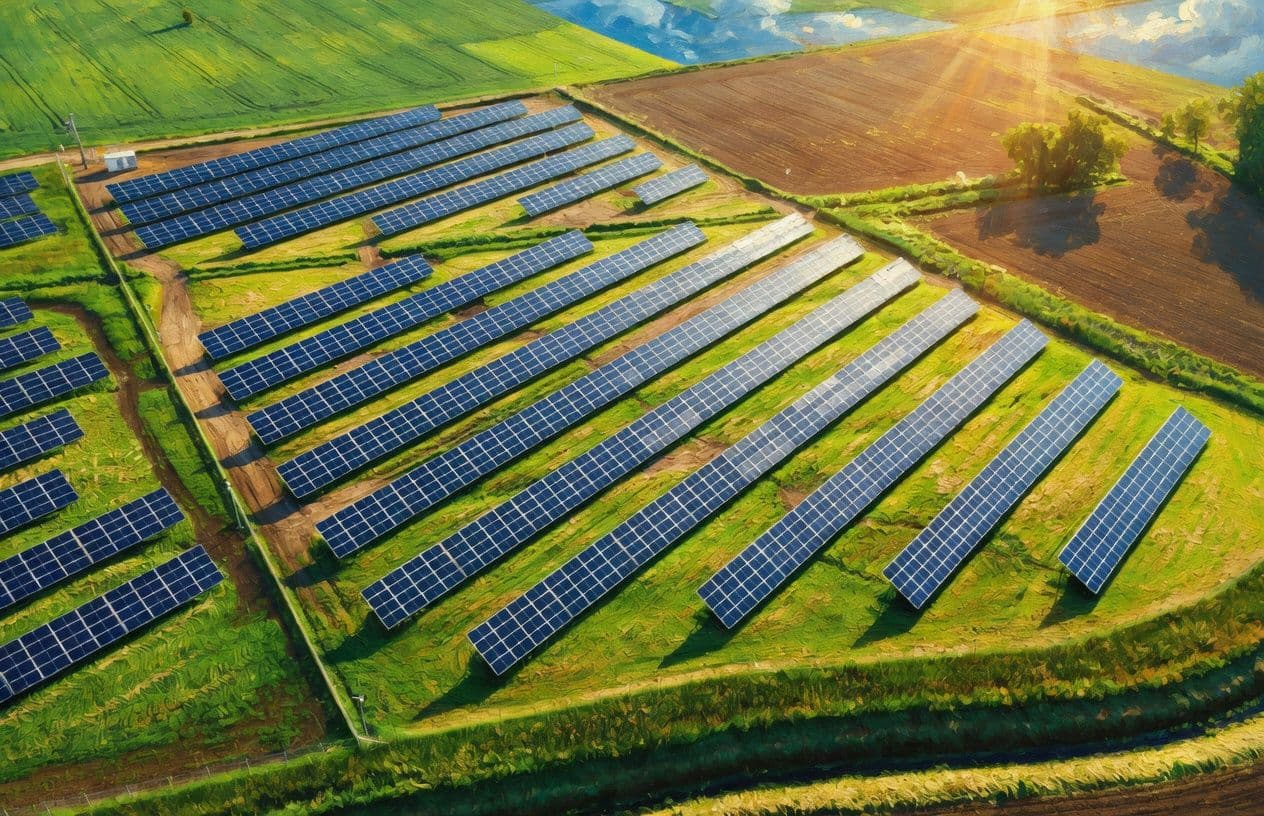
Most people think you need a roof, thousands of euros, and a full solar installation to earn passive income from solar energy.
That’s no longer true.
Today, you can invest in solar energy and earn passive income without installing panels, owning property, or managing anything yourself. In this guide, you’ll learn how solar investing without panels works, how much you can earn, and whether it’s worth it in 2026.
What Does “Solar Investing Without Panels” Mean?
Solar investing without panels means earning money from electricity generated by solar installations you don’t physically own or manage.
Instead of installing panels yourself, you fund or invest in solar projects that are already built and producing electricity. These installations are typically located on:
- Schools
- Commercial buildings
- Hospitals
- Community infrastructure
The electricity they generate is sold, and investors receive a share of the revenue over time.
Why This Model Is Growing Across Europe
Traditional rooftop solar has limitations. Many people can’t participate due to:
- Renting instead of owning property
- Unsuitable roofs (apartments, shading, orientation)
- High upfront costs (€5,000–€20,000+)
- Planning or installation complexity
At the same time, solar energy continues to expand rapidly across Europe and globally.
This gap has led to the rise of solar investment models without panels, allowing individuals to access solar income without dealing with hardware or installation.
The Main Ways to Earn from Solar Without Installing Panels
There are several ways to gain exposure to solar income. Each works differently.
1. Community Solar
Community solar allows you to subscribe to a share of a local solar farm. The electricity generated is fed into the grid, and you receive credits on your electricity bill.
- ✅ Accessible for renters
- ❌ Limited availability in many European regions
- ❌ More savings than actual income
2. Renewable Energy Stocks & ETFs
You can invest in solar companies or clean energy funds through the stock market.
- ✅ Highly liquid
- ❌ Returns depend on market performance, not actual solar production
- ❌ Volatility can be high
3. Leasing Land to Solar Developers
Landowners can lease land to solar developers for long-term income.
- ✅ Potentially stable income
- ❌ Requires owning suitable land
- ❌ Not accessible to most people
4. Direct Solar Leasing Platforms
A newer model allows individuals to invest in operational solar installations and earn from the electricity they produce.
Platforms such as Sunbucks provide access to real solar projects that are already built and generating power. Instead of investing in a company, you participate directly in the economics of a working solar asset.
Electricity is produced → sold → and revenue is shared with participants.
How Much Can You Earn from Solar Without Panels?
Returns depend on the specific project, its location, and how much electricity it produces over time.
Some platforms offer access to operational solar installations with projected annual returns in the range of 8% to 12%, based on real production data from existing systems.
Example (based on a live project structure):
Project ID:03011 - Primary School **- **Minimum investment: from €2
- Project duration: ~18 years
- Target yield: 10% annually (End weighted 10% IRR)
- Payouts: generated from ongoing electricity production
This means:
- €100 invested could generate approximately €7–€23 (Year 1-18)
- €1,000 could generate €75–€231 per year (Year 1-18)
Returns are not guaranteed and may vary depending on solar output, seasonal changes, and project performance.
Some platforms focus specifically on operational (already running) solar projects, which removes construction risk and allows returns to begin from day one. One example of this model can be explored at sunbucks.com, where projects are listed only once they are actively generating electricity.
As with any investment, it’s important to review project details carefully and understand how returns are calculated before committing capital.
Solar Returns by Location: Why High-Irradiance Markets Matter
Solar energy output depends heavily on sunlight (irradiance).
For example:
- Northern Europe: ~1,100–1,400 sunlight hours/year
- Southeast Asia: ~2,500–2,800+ hours/year
This means solar installations in high-irradiance regions can generate significantly more electricity—and therefore higher potential returns.
There is a geographic irony in solar: Ireland receives roughly 1,100–1,400 hours of sunshine annually, while Bangkok receives over 2,700. Because solar income is directly tied to irradiance (sunlight intensity), panels in sunnier climates are fundamentally more productive.
By funding a profit share in a project like the Primary School in Bangkok, a resident in Dublin or Munich can earn from some of the world’s highest-performing solar markets without leaving their couch. While traditional options tether you to your local grid and weather, direct solar leasing removes those constraints entirely.
What to Look for in a Solar Investment Platform
Not all solar investment opportunities are equal. Before investing, consider:
- Whether projects are already operational
- Transparency of performance data
- Clear return structure
- Defined project duration
- Insurance or risk mitigation measures
Understanding how revenue is generated and distributed is key.
Is Solar Investing Without Panels Worth It in 2026?
Solar investing without panels can be a strong option if you:
- Want a hands-off passive income stream
- Prefer long-term, stable returns
- Are interested in sustainable investing
It may not be ideal if you:
- Need immediate liquidity
- Prefer short-term or high-risk investments
- Want full control over assets
As with any investment, it’s important to understand the structure, timeline, and risks before committing.
Getting Started
If you want to explore solar passive income:
- Choose a platform
- Review available projects
- Start with a small investment
- Track performance over time
Many platforms allow entry from just a few euros, making it accessible even for beginners.
Final Thoughts
Solar energy is no longer limited to homeowners with rooftops.
With new investment models, anyone can participate in solar income without installing panels or managing infrastructure.
As the renewable energy sector continues to grow, solar investing is becoming one of the most accessible ways to generate passive income while supporting the transition to clean energy.
This article is for informational purposes only and does not constitute financial advice. Returns depend on solar production and project performance and are not guaranteed. Always review full project details before investing.